Your Roof Is a Major Investment Worth Protecting
A new roof is one of the most significant expenses you will face as a homeowner. We see local quotes for a typical 2,200-square-foot Treasure Valley home ranging from $15,000 to over $18,000 for a quality architectural shingle replacement in 2026. That is a massive financial commitment.
It makes financial sense to do everything in your power to get the most years out of it. From what we see in the field, the difference between a roof that fails in 15 years and one that lasts 30 is rarely just luck. The determining factor is almost always how well the homeowner managed the small details during those years.
The good news is that with proper care, most roofing materials will reach or exceed their rated lifespan. An asphalt shingle roof rated for 25 years can last 30 or more with consistent maintenance. A metal roof rated for 50 years can push past 60.
Here are eight practical strategies that Idaho homeowners can put to work immediately to extend the life of their roof and delay that expensive replacement as long as possible.
1. Schedule Regular Professional Inspections
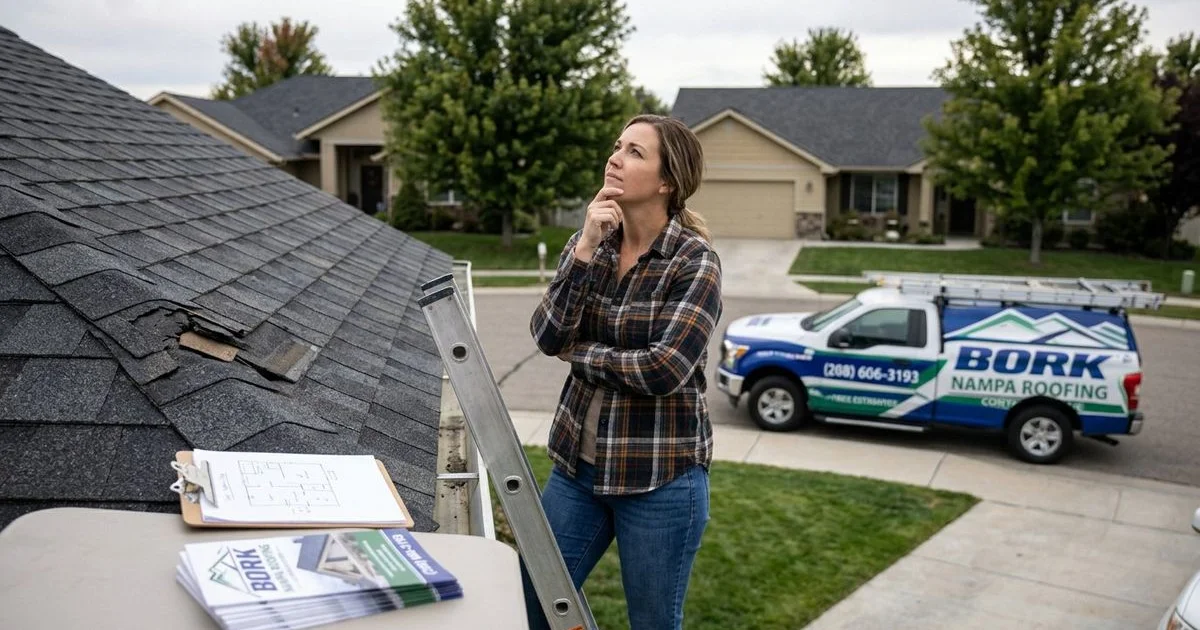
This is the single most impactful thing you can do for your roof’s longevity. Professional roof inspections catch small problems before they become expensive ones. A cracked piece of flashing that costs $300 to repair today can cause $5,000 or more in water damage if left unaddressed for a single winter.
We recommend professional inspections twice a year for most Idaho homes. You should schedule one in spring after the snow melts and another in late fall before the first freeze.
Roofs older than 20 years benefit from a third mid-summer inspection when UV exposure and thermal cycling are at their peak. A thorough inspector does not just glance at the surface. We check flashing conditions, sealant integrity, ventilation function, gutter attachment, the attic space below, and the structural condition of the underlying deck.
This comprehensive approach catches hidden problems that are invisible from ground level.
2. Keep Your Gutters Clean and Functional
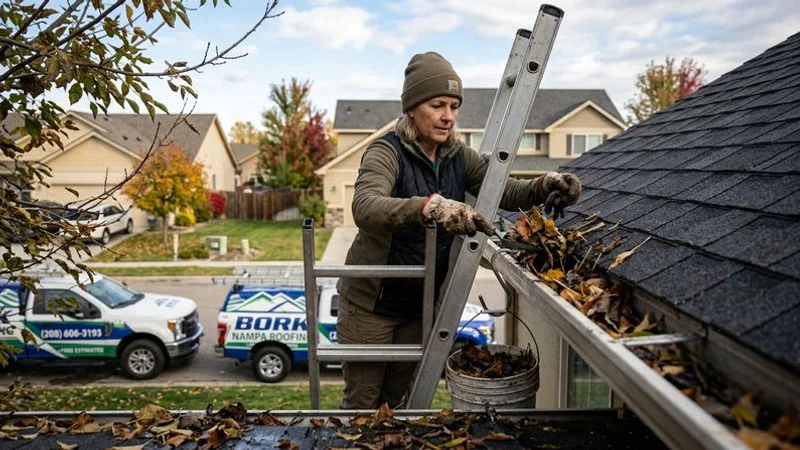
Clogged gutters are one of the most common indirect causes of premature roof failure. When gutters are blocked with debris, water backs up under the shingles along your eaves. This creates a perfect environment for rot to set in at the roof edge.
In the Treasure Valley, “cottonwood snow” in late spring and heavy leaf fall in autumn make gutter maintenance a year-round responsibility. We suggest cleaning your gutters at least three times a year if you have large deciduous trees nearby.
Consider installing micro-mesh gutter guards to reduce debris accumulation between cleanings. Beyond cleaning, verify that your gutters are properly pitched toward downspouts. They must be securely attached to the fascia board and free of rust or holes.
Sagging or separated gutters allow water to overflow and run directly down the side of your home. This damages siding, trim, and your foundation over time.
3. Ensure Proper Attic Ventilation
Attic ventilation is one of the most underappreciated factors in how long a roof lasts. Without adequate airflow through the attic space, heat and moisture become trapped and attack your roofing materials from the underside.
In summer, a poorly ventilated attic in Nampa can reach internal temperatures of 150 degrees or higher. That extreme heat radiates upward through the roof deck and bakes your shingles from below. This double heat exposure dramatically accelerates granule loss and material breakdown.
We often see shingles on unvented roofs curling years before their warranty expires. A properly balanced ventilation system follows the “1/150 rule.” This means you need 1 square foot of net free vent area (NFA) for every 150 square feet of attic floor space.
For a 1,500-square-foot attic, you would need 10 square feet of ventilation split evenly between intake vents at the soffits and exhaust vents at the ridge.
4. Fix Small Problems Before They Become Big Ones
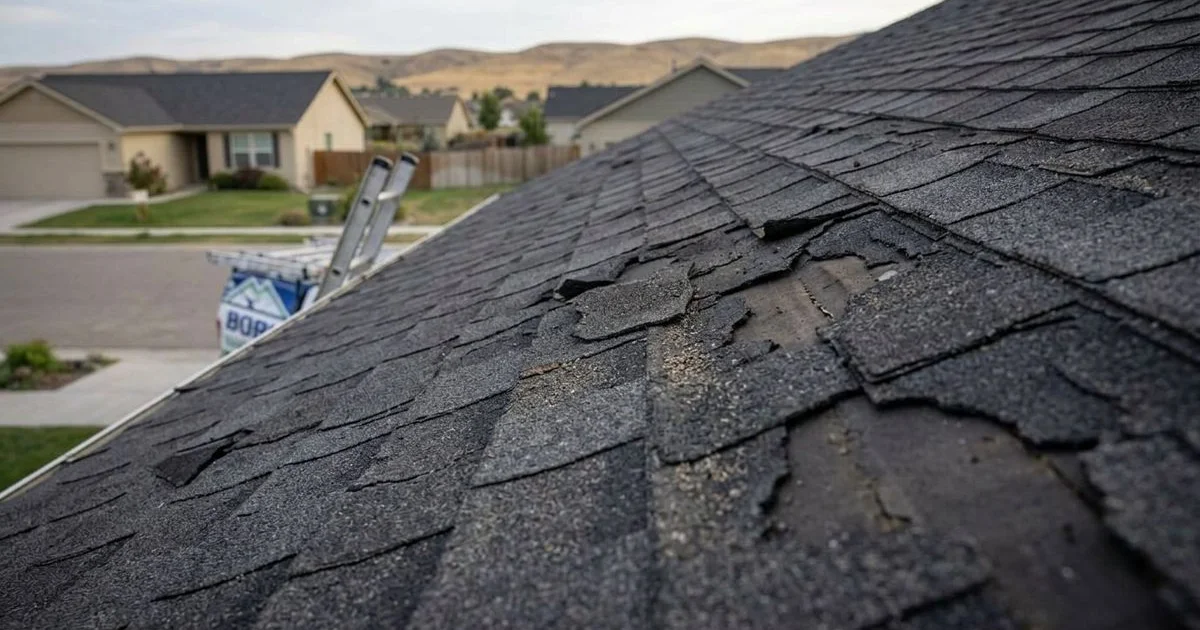
Small roof problems do not stay small. They grow. A missing shingle exposes the underlayment to UV radiation, which breaks it down rapidly.
A hairline crack in flashing sealant allows water behind the metal, where it saturates insulation and rots framing. We frequently replace neoprene “pipe boots” that have cracked after just 10 to 12 years of sun exposure. These simple rubber gaskets around your plumbing vents are a common failure point that can lead to major leaks.
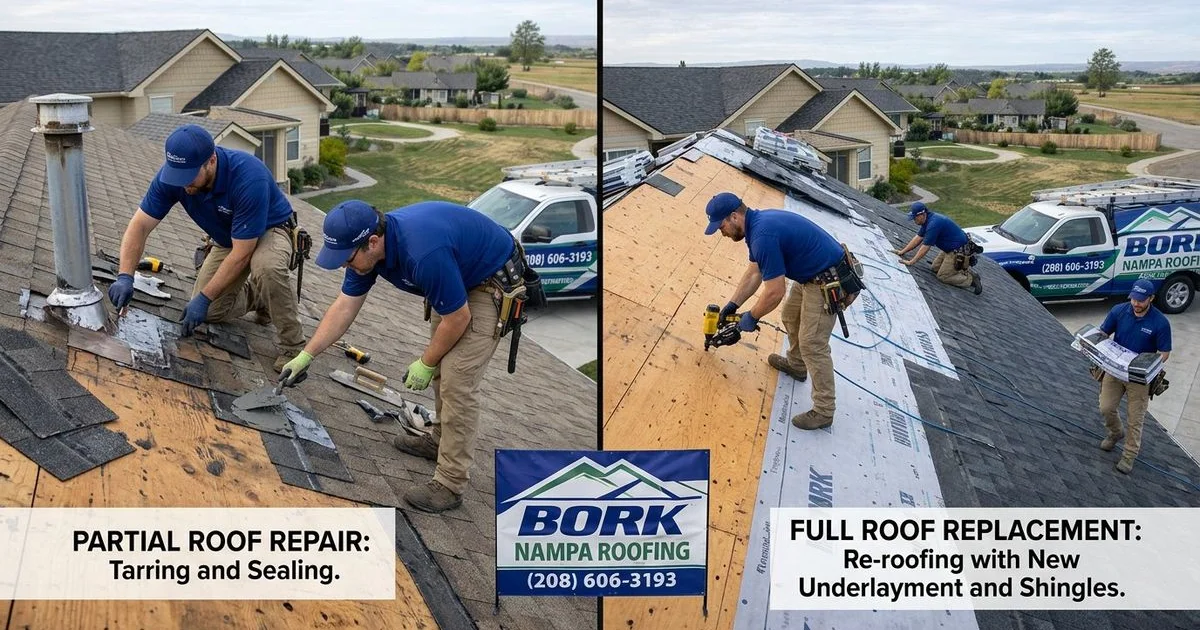
When an inspection or your own observation reveals a problem, fix it promptly. The cost of a small, targeted repair is almost always a fraction of the cost of the water damage that results from delay.
Roofing contractors in Nampa and the Treasure Valley can typically schedule minor repairs within a week or two. Most offer priority service for active leaks. The golden rule of roof longevity is simple. Every dollar you spend on timely repairs saves you five to ten dollars in future damage.
5. Trim Trees Near Your Roof
Trees provide shade, beauty, and property value, but overhanging branches create real problems for your roofing system. We recommend maintaining a minimum clearance of six to ten feet between tree branches and your roof surface.
Here is why trees are a threat to your roof:
- Debris accumulation: Leaves and pine needles collect in valleys, trapping moisture against the roofing material.
- Persistent shade: Dense canopy prevents the roof from drying after rain, allowing moss to thrive.
- Physical abrasion: Branches that rub against the roof in the wind act like sandpaper, scraping away protective granules.
- Storm damage risk: Heavy limbs can snap during ice storms, causing severe impact damage to shingles and decking.
For large trees with heavy limbs that extend over your home, consider hiring a certified arborist. They can safely remove the most threatening branches before the next storm makes the decision for you.
6. Keep Your Attic Properly Insulated
Proper insulation works in partnership with ventilation to protect your roof. Insulation keeps conditioned air in your living space and prevents it from migrating into the attic.
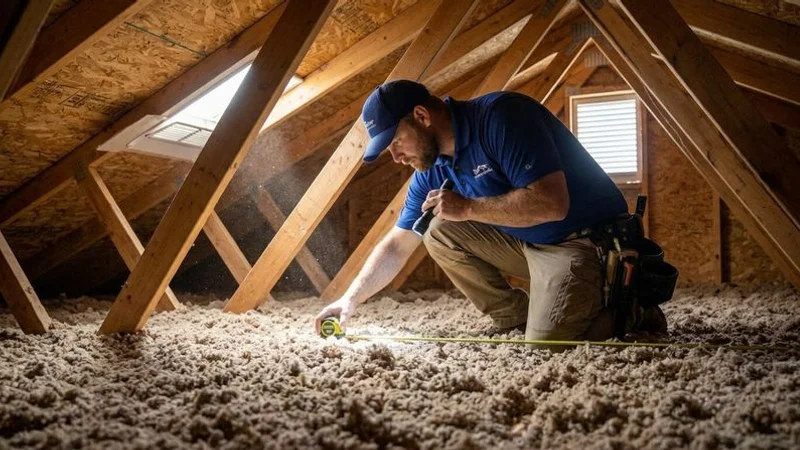
Heat escaping into the attic creates the freeze-thaw cycles that destroy roofing materials from below. For Idaho homes, the Department of Energy currently recommends R-49 to R-60 insulation in the attic.
We find that many older homes in the Nampa area fall significantly short of this recommendation, often having only R-19 or R-30. Adding insulation is a relatively affordable improvement that pays for itself through reduced energy bills.
Verify that insulation is distributed evenly across the entire attic floor and does not block soffit vents. Batt insulation that has been compressed or disturbed over the years loses much of its thermal resistance. It should be redistributed or supplemented with blown-in cellulose or fiberglass.
7. Address Moss, Algae, and Biological Growth
Biological growth on your roof is more than a cosmetic concern. Moss sends tiny root structures into shingle edges, lifting them and creating direct paths for water infiltration.
Algae retains moisture against the roof surface and accelerates material degradation. In Idaho’s climate, north-facing slopes and areas shaded by trees are most susceptible.
If you notice moss or algae spreading on your roof:
- Do not power wash the roof. High-pressure water strips protective granules from shingles.
- Do use a gentle cleaning solution formulated for roof surfaces, applied with a low-pressure garden sprayer.
- Do consider installing zinc or copper strips along the ridge line. Rain washes ions from these metal strips down the roof to inhibit growth.
- Do address the underlying cause by trimming branches to allow more sunlight to reach the surface.
Regular debris removal from valleys and around chimneys also eliminates the moisture traps that encourage biological colonization.
8. Hire Licensed, Experienced Professionals
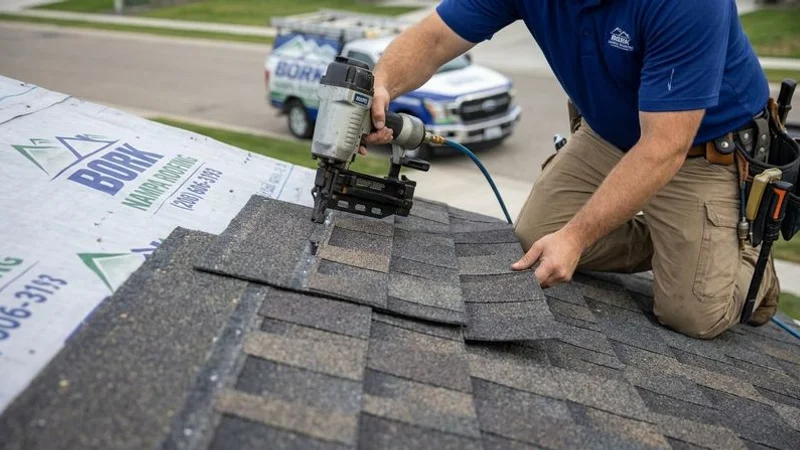
The final tip is simple but critical. When your roof needs work, hire qualified professionals. A roof is not a DIY project.
Poor workmanship is a leading cause of premature roof failure. We have seen many instances where an improperly installed repair caused more damage than the original leak.
When selecting a roofing contractor, verify these qualifications:
- Licensed and insured in the state of Idaho.
- Local to the Treasure Valley with a permanent business address.
- Certified by manufacturers (such as GAF Master Elite or Owens Corning Preferred).
- Willing to provide references from recent jobs in your area.
- Offering written warranties on both materials and workmanship.
Avoid storm chasers and door-knockers who demand full payment before work begins. A quality contractor protects your roof. A bad one can shorten its life by years.
The Math Strongly Favors Maintenance
Consider this straightforward calculation. A $15,000 roof replacement that lasts 25 years costs $600 per year of service.
If annual maintenance costing $400 extends that same roof’s life by 10 additional years, the effective annual cost drops significantly. You save thousands compared to an early replacement. That figure does not even include the avoided costs of emergency repairs, interior water damage, and mold remediation.
Maintenance is the best return on investment your roof will ever see.
Start Protecting Your Roof Today
Whether your roof was installed last year or is approaching the end of its expected lifespan, these eight strategies will help you extract the maximum value from your investment. At Bork Nampa Roofing Contractors, we help homeowners throughout the Treasure Valley maintain their roofs with professional roof inspections, timely repairs, and expert roof maintenance programs designed to extend roof life by years.
Call us at (208) 606-3193 or contact us online for a free estimate. Let us help your roof last as long as it possibly can.

Bork Roofing Team
Licensed Roofing Contractor
Licensed roofing contractors serving Nampa and the Treasure Valley.